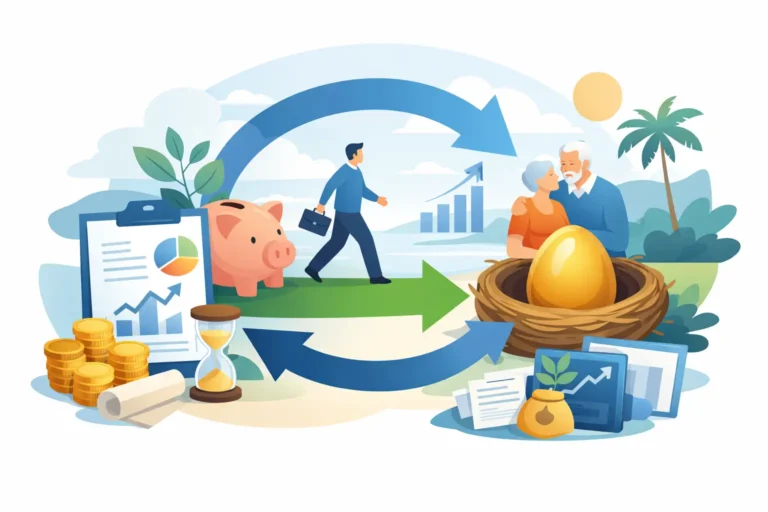

Most people do not start searching for how to create passive income because they are bored. They start because one paycheck feels too fragile, retirement feels too close, or they want their money to keep working after they stop. Passive income is not about getting rich without effort. It is about building income streams that become less dependent on your daily time so your family, lifestyle, and long-term plans are not tied to one source of earnings.
That distinction matters. A lot of financial disappointment starts when passive income is sold as instant and effortless. In real life, nearly every strong income stream requires either money, planning, or patience up front. The good news is that it can still be one of the smartest ways to strengthen your financial future when you choose the right strategy for your goals.
How to create passive income the smart way
The smartest way to build passive income is to start with a simple question: do you have more time, more capital, or a mix of both? Your answer shapes the strategy.
If you have capital, you may be able to create income faster through real estate, dividend-paying investments, private lending, or insurance-based planning designed for long-term cash value growth. If you have more time than money, your path may begin with building savings, improving cash flow, reducing high-interest debt, and setting aside money consistently until better options open up. Both approaches can work. What usually fails is trying to force a strategy that does not fit your stage of life.
Passive income also works best when it is tied to a broader plan. If your goal is simply extra monthly cash, your choices may look different than if your goal is tax efficiency, retirement income, or leaving wealth to your children. Income alone is not the whole story. You also want to consider risk, taxes, liquidity, and how each strategy supports your family over time.
Start with stability before chasing cash flow
It may sound less exciting, but your first passive income move should often be strengthening your financial base. That means looking closely at your budget, emergency reserves, existing debt, and insurance protection.
Why? Because an income-producing asset can lose its value if a medical event, business slowdown, or family emergency forces you to liquidate too early. Many people focus on earning more but ignore the systems that help them keep what they build. Proper protection can make the difference between a short-term win and a long-term plan.
This is where insurance and passive income often connect more than people expect. Life insurance, especially when structured strategically for the right person, can play a role beyond a death benefit. Certain permanent policies may offer tax-advantaged cash value growth and access to funds that can support retirement planning, business flexibility, or future investment opportunities. It is not a replacement for every investment strategy, and it is not ideal for everyone, but for households focused on protection and legacy, it can be a powerful part of the bigger picture.
Passive income is rarely fully passive at first
A rental property may require research, financing, repairs, and tenant management before it produces steady cash flow. Dividend investing requires capital and discipline. A business can create recurring revenue, but only after systems are built. Even cash value life insurance strategies take time to accumulate meaningful value.
That does not make these options bad. It makes them real. The more honest you are about the front-end effort, the better your long-term decisions will be.
The most practical passive income strategies to consider
Real estate remains one of the most popular ways to build recurring income because it combines cash flow potential with appreciation and tax advantages. A rental property can create monthly income, but success depends on buying well, financing wisely, and accounting for vacancies, maintenance, taxes, and management. If you do not want hands-on property ownership, real estate-related investments can offer more passive exposure, though returns and liquidity may vary.
Dividend-focused investing is another common path. By owning shares in companies or funds that distribute income, you can build a stream of payments over time. The trade-off is that dividend income depends on market performance and capital invested. It is generally more effective as a long-term strategy than a quick cash solution.
Bond ladders, private lending, and fixed-income alternatives may appeal to those who want more predictable income. These can be useful, especially for pre-retirees and retirees, but they need careful evaluation around risk, default exposure, and inflation. Predictable does not always mean high-return.
For some families and business owners, cash value life insurance deserves a serious look. Properly structured permanent life insurance can provide protection for loved ones while building cash value on a tax-advantaged basis. In the right plan, that value may later support supplemental retirement income, business liquidity, or opportunities to invest elsewhere. This is not a shortcut, and policy design matters greatly. Still, for people who want to align protection, accumulation, and legacy transfer, it can be one of the more strategic tools available.
There is also the option of building a business asset that eventually pays you without requiring your constant attention. That might mean a digital product, a licensed service model, or a business with systems and staff that reduce owner dependence. This route can be highly rewarding, but calling it passive too early is a mistake. It becomes more passive as processes mature.
How to create passive income without taking unnecessary risk
The biggest risk is often concentration. Putting all your cash into a single property, one market idea, or one product can leave you exposed. A more durable plan usually blends income sources so that one setback does not disrupt your entire financial life.
Another common mistake is ignoring taxes. Two investments can produce the same income on paper but leave you with very different net results after taxes. That is why tax-aware planning matters. You want to understand whether your income is taxed as ordinary income, capital gains, rental income, or potentially accessed through more favorable structures. The goal is not just more income. It is more usable income.
Liquidity matters too. Some passive income strategies look strong until you need access to cash. Real estate may be valuable but hard to sell quickly. Certain investments may involve penalties or market timing concerns. Others, including some insurance-based strategies, may offer access to value but only if structured correctly and held long enough. Matching the strategy to your timeline is essential.
Match the strategy to your life stage
A parent in their 30s may prioritize flexibility, protection, and gradual asset growth. That could mean combining retirement contributions with a protection-focused plan and a smaller investment in income-producing assets. A business owner may want strategies that create tax efficiency, protect key family goals, and build reserves that can later be redirected into passive opportunities.
Someone nearing retirement often needs a different balance. Preservation, predictable income, and tax management become more important than aggressive growth. In that stage, passive income planning may involve reducing volatility, improving cash flow reliability, and coordinating investment income with insurance, Social Security, and retirement distributions.
This is why one-size-fits-all advice often falls short. The best strategy is not the trendiest one. It is the one you can sustain, understand, and align with your future.
Build your passive income plan in the right order
A practical sequence makes the process easier. First, protect your foundation with emergency savings and appropriate coverage. Next, free up cash flow by reducing expensive debt and tightening spending leaks. Then begin funding long-term vehicles consistently, whether that is retirement accounts, income-producing investments, real estate reserves, or a properly structured life insurance strategy designed to support broader wealth goals.
After that, focus on layering. One stream of passive income is helpful. Multiple coordinated streams are more powerful. Rental income, investment income, and tax-advantaged cash value growth can complement one another in a way that gives you more resilience and more choice later in life.
At Legacy Transfer Consulting, that bigger-picture view matters. Passive income should not stand alone. It should connect to protection, tax planning, retirement security, and the legacy you want to leave behind.
If you are serious about learning how to create passive income, start with honesty, not hype. Know what you can invest, how much risk you can carry, and what kind of future you want your money to support. The right strategy may not be flashy, but the income that lasts usually comes from plans built with clarity, patience, and purpose.