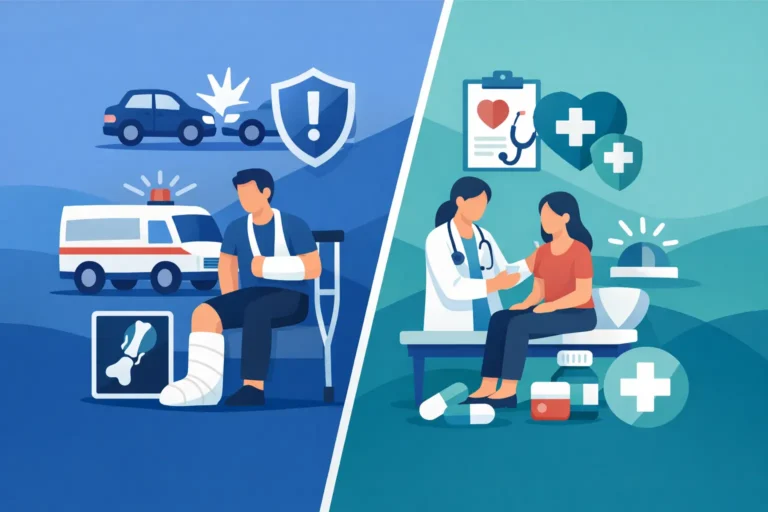
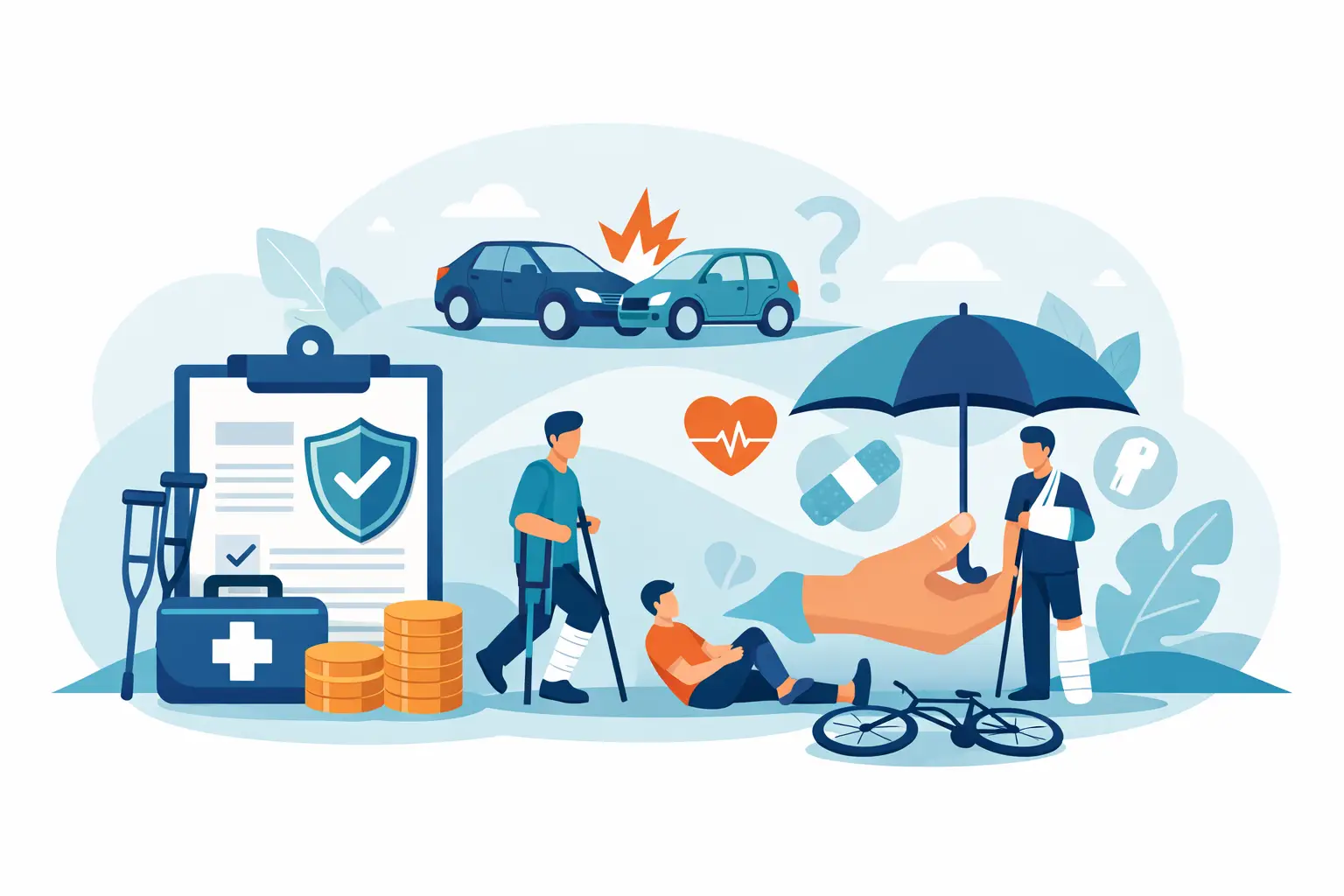
A broken arm from a weekend fall or a trip to the ER after a car accident can leave you with more than pain. It can leave you with deductibles, missed work, and bills that arrive long after the cast comes off. So, is accident insurance worth it? For some families, it can be a smart layer of protection. For others, it may be one more premium that does not solve the real gap. If you want help looking at your overall protection plan, a free, no-obligation consultation can help you sort through what makes sense for your budget and your long-term goals.
What accident insurance actually does
Accident insurance is designed to pay cash benefits when you experience a covered accidental injury. That could include things like emergency treatment, ambulance rides, hospital stays, fractures, dislocations, stitches, physical therapy, or follow-up care. The details depend on the policy, but the key idea is simple: it pays money after a covered accident, and you can usually use that money however you need.
Why does that matter? Because traditional health insurance does not always make an accident financially manageable. You may still face a deductible, copays, coinsurance, or out-of-network charges. If you are self-employed or hourly, you may also lose income while recovering. Accident insurance is not a replacement for health insurance. It is more like a cash cushion for unexpected injuries.
That distinction matters. If someone thinks this coverage will handle every medical cost, disappointment usually follows. If they understand it as a way to soften the financial hit of an accident, it becomes easier to judge its value.
Is accident insurance worth it for most people?
The honest answer is it depends on the risks you carry and the savings you have. A good question to ask yourself is this: if an accident sent you to urgent care or the hospital next month, how easily could you absorb the out-of-pocket costs without touching rent money, retirement savings, or credit cards?
For many households, that question reveals the real issue. Plenty of people have health coverage but still feel financially exposed. A high-deductible health plan can keep monthly premiums lower, but one accident can still mean a sudden bill in the thousands. In that case, accident insurance may be worth considering because it helps cover the gap between being insured and being financially prepared.
It can be especially useful for families with active kids, adults with physically demanding jobs, people who travel often, or anyone who simply does not have a deep emergency fund. If your budget is already tight, a lump-sum cash benefit after an injury can make the difference between a setback and a spiral.
On the other hand, if you have strong health coverage, a healthy emergency savings account, and low exposure to accident-related risks, the value may be lower. That does not mean the policy is bad. It means the fit may not be right for your current stage of life.
Who tends to benefit most
Some people are naturally better candidates for this kind of coverage. Think about your own situation as you read this. Do any of these sound familiar?
Parents often see the value quickly because children get hurt doing ordinary things. Sports, bikes, playgrounds, and simple roughhousing can turn into urgent care visits. Even when the injury is not severe, the bills can still sting.
Self-employed workers and small business owners may benefit because time away from work often hits twice. There are the medical costs, and then there is lost income. Accident insurance does not replace a full disability strategy, but it can help create breathing room.
People with high deductibles also tend to find accident insurance more useful. If your medical plan leaves you paying a lot before coverage really kicks in, an accidental injury can create stress fast.
Older adults may find it helpful too, especially if a fall could trigger a chain of expenses. While accident insurance is not a substitute for broader health and retirement planning, it can add a useful layer of protection in the right situation.
If you are not sure where you fit, a free, no-obligation consultation can help you compare your current coverage, your risks, and your budget without pressure.
When accident insurance may not be worth it
This is where people need honesty, not hype. Accident insurance may not be worth it if you are buying it out of fear without understanding what it covers. Some policies have very specific payout schedules. They may pay a set amount for a fracture, a hospital admission, or an ER visit, but that amount may not match your actual expenses.
It may also be less valuable if your main concern is illness rather than injury. Accident insurance does not usually help much with cancer, heart issues, chronic conditions, or non-accident hospitalizations. If that is your bigger worry, other forms of protection may deserve your attention first.
There is also the budgeting side. Every policy has a cost. If adding accident coverage means you cannot keep up with your health insurance, life insurance, or emergency savings goals, it may be solving the wrong problem. Protection should strengthen your financial foundation, not stretch it too thin.
A lot of families run into trouble here. They collect small policies without stepping back to ask a bigger question: does this coverage fit the life we are actually living? If that question feels overdue, a free, no-obligation consultation can help you look at the full picture and avoid paying for coverage that does not move you forward.
What to look at before you decide
Before saying yes or no, look at your current health plan. What is your deductible? What would an ER visit cost you? What about imaging, surgery, or follow-up care after an injury? Sometimes the need for accident coverage becomes obvious once you see those numbers in black and white.
Next, look at your savings. Could you comfortably handle a surprise bill of $2,000 or $5,000? And if you had to miss work, would your household still stay on track? These are not dramatic questions. They are practical ones.
Then consider your lifestyle. Do you commute long distances, work with your hands, play sports, have active children, or care for aging parents? The more ways your daily life exposes you to accidental injury, the more relevant the coverage becomes.
Finally, read the policy details carefully. What counts as a covered accident? Are there waiting periods, exclusions, or lower benefits than you expected? Good decisions come from clear comparisons, not assumptions.
Accident insurance vs. emergency savings
This is not always an either-or decision, but it is worth talking about. Emergency savings give you flexibility for almost anything. Accident insurance gives you a defined benefit for a specific event. Savings are more powerful overall, but they take time to build. Insurance can help protect you while that savings cushion is still growing.
That is why many families use both approaches. They build emergency reserves over time while using affordable insurance to reduce the impact of a sudden financial hit. The real goal is stability. You want one unexpected event to be inconvenient, not devastating.
For some households, the smarter move is to focus first on getting the right health coverage, life insurance, or income protection in place before adding accident insurance. For others, accident coverage fills a very real gap. The right answer depends on what would hurt your family most if something happened.
A better question than “is accident insurance worth it”
Sometimes the best question is not whether accident insurance is worth it in general. It is whether it is worth it for you.
Would a cash payout after an injury reduce stress in your home? Would it keep you from using credit cards? Would it help protect your savings, your retirement contributions, or the money you want to leave behind for your family? If the answer is yes, then the policy may have more value than it first appears.
If the answer is no because you already have strong reserves and comprehensive coverage, that is useful clarity too. Good planning is not about buying every option. It is about choosing the protections that support your family, your income, and your legacy.
At Legacy Transfer Consulting, the goal is not to push one product. It is to help you make confident decisions about protection, retirement, and the future you want to build. If you want a clear, personalized look at whether accident insurance fits into your broader plan, schedule a free, no-obligation consultation today.
The right coverage should help you sleep better, not leave you guessing.